Celebrated by Hindus around the world, Divali (also spelt Diwali) holds profound religious meaning, especially in Trinidad, where the festival is embraced not only as a sacred observance but as a vibrant cultural celebration shared across communities.
Rangoli, vibrant floor patterns made with colored powders, rice, or flower petals, decorate entryways, while windows and yards are strung with electric lights and garlands.
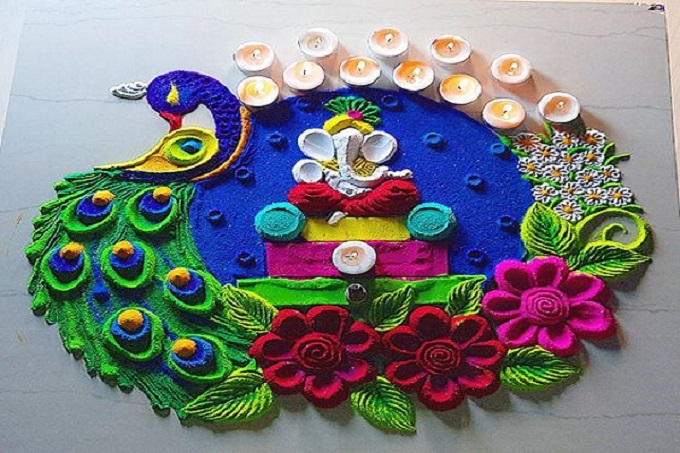
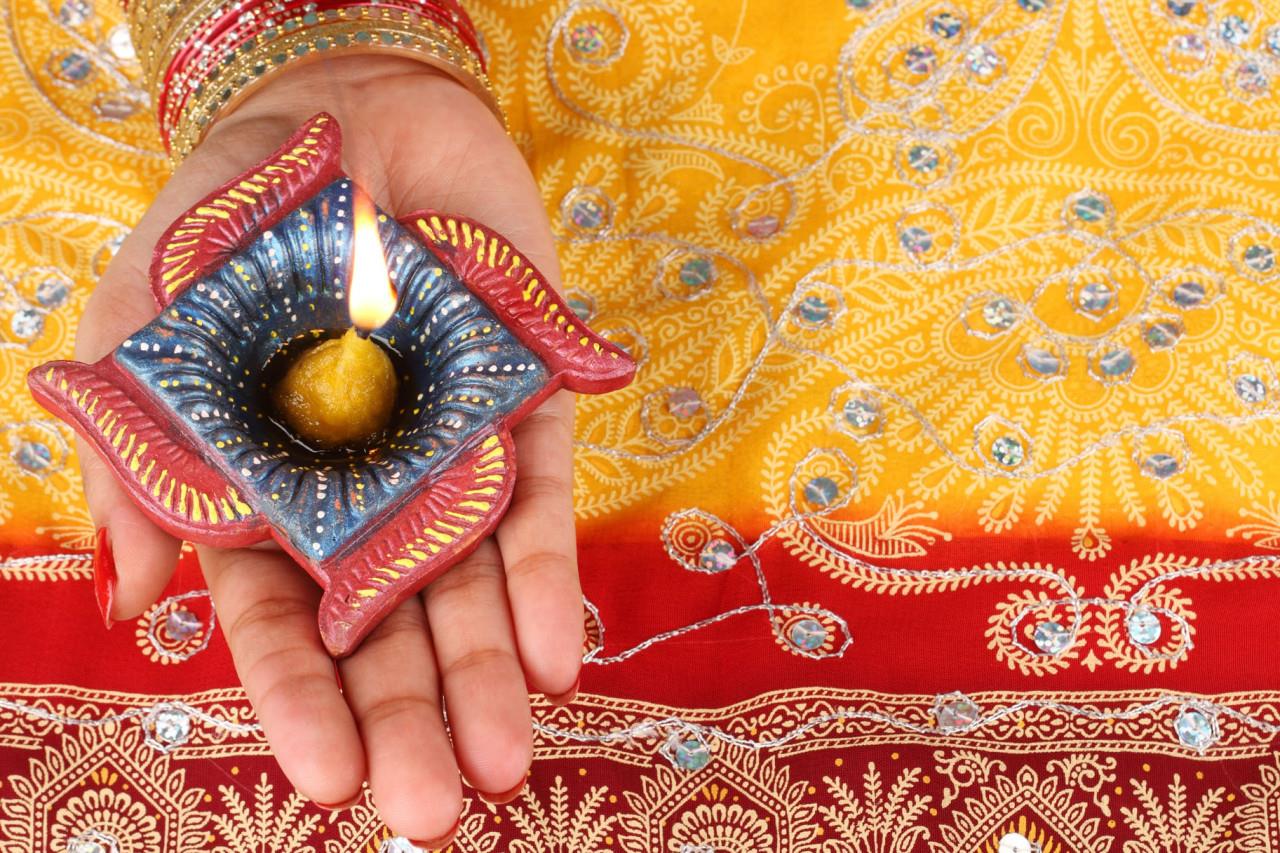
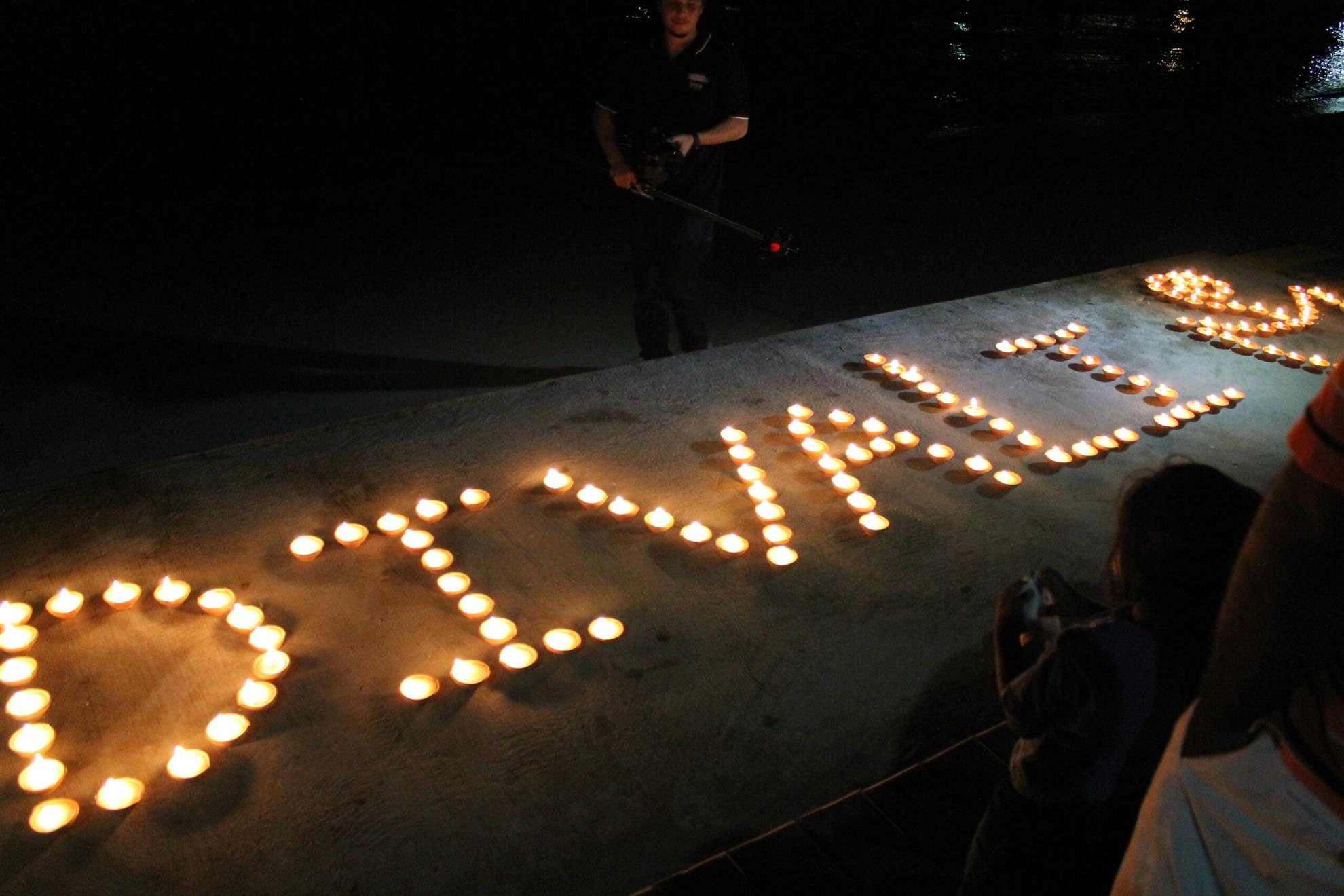
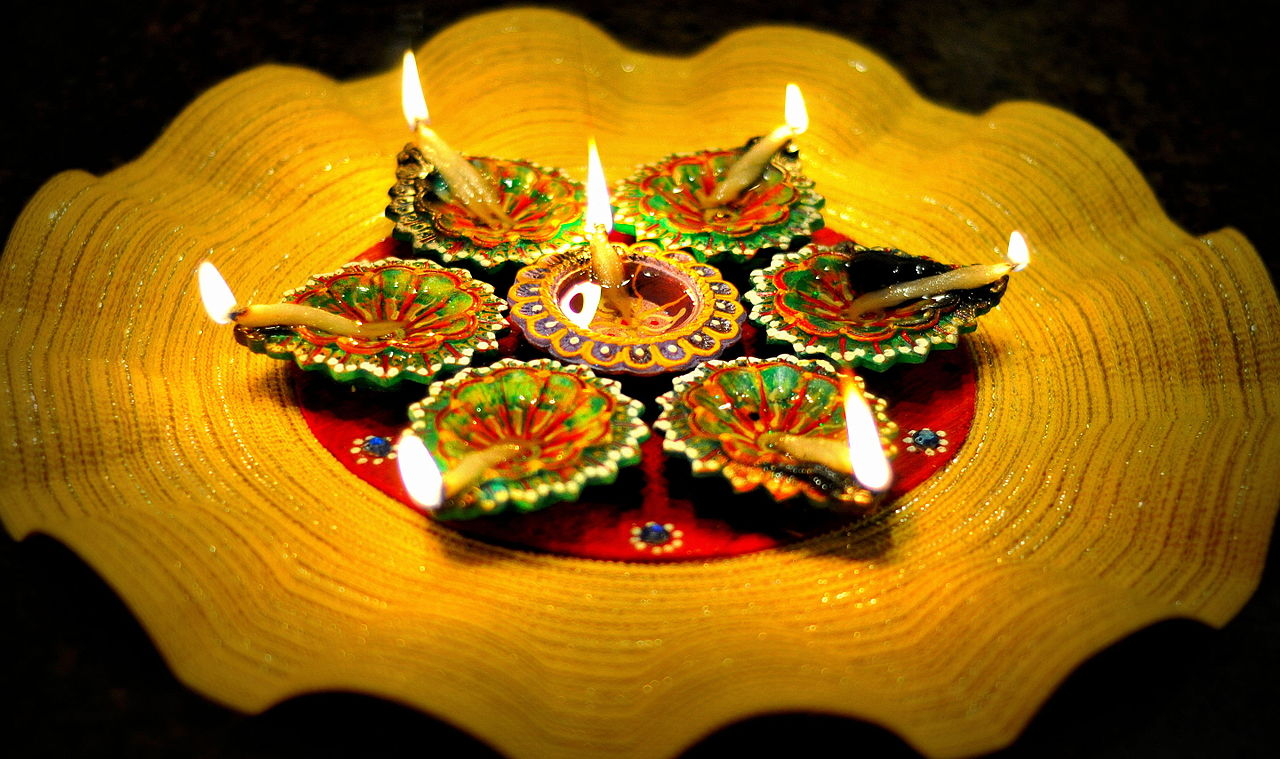
On Divali night itself, thousands of clay deyas (oil lamps) are lit, their warm flicker casting a soft glow over homes, temples, and entire neighbourhoods.
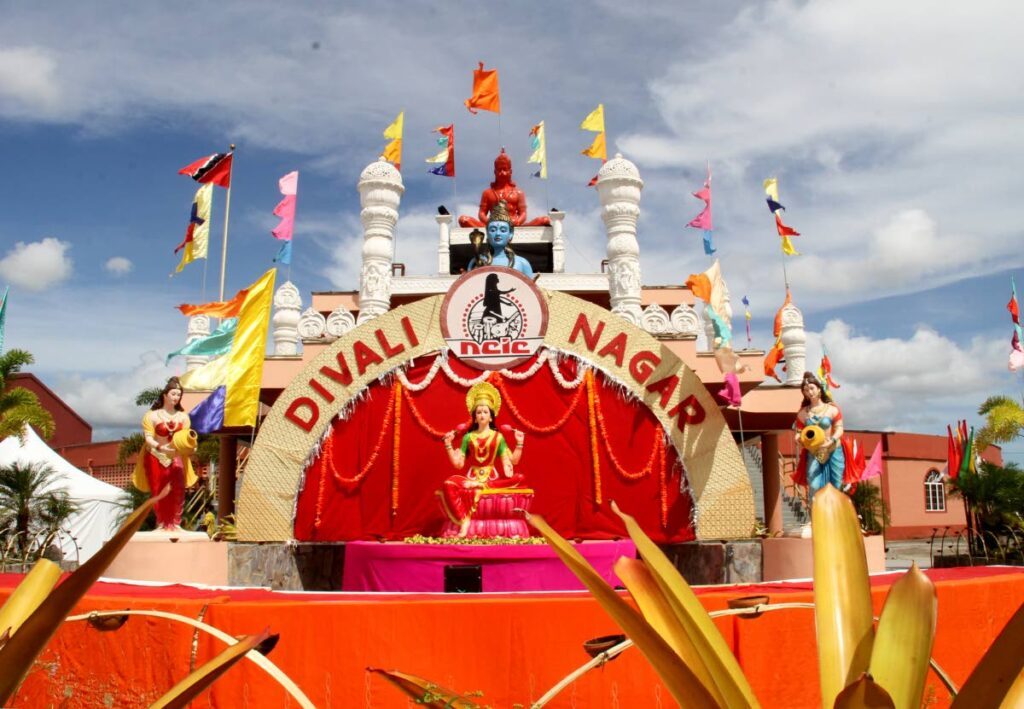
Divali Nagar: A Celebration of Culture and Community
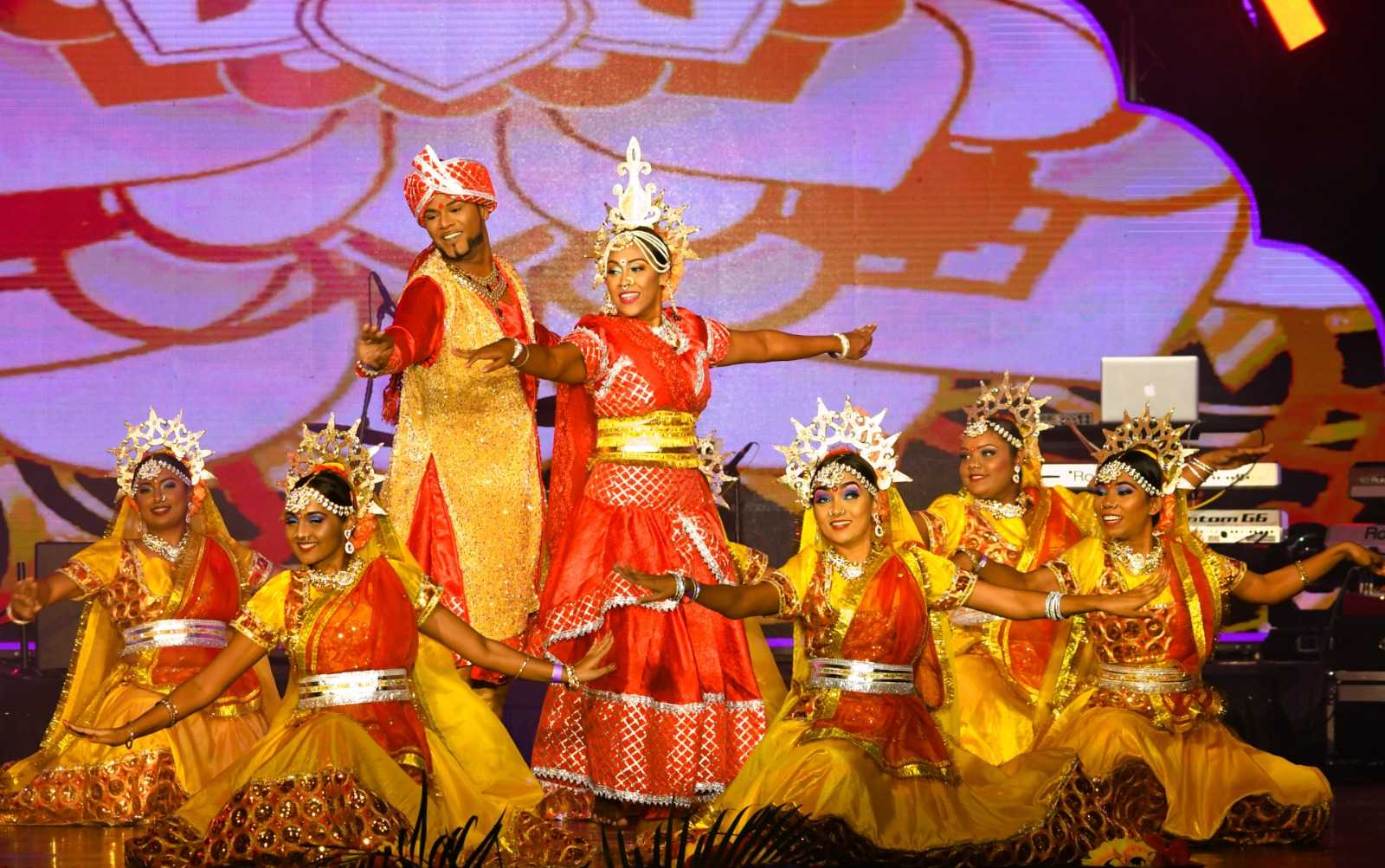
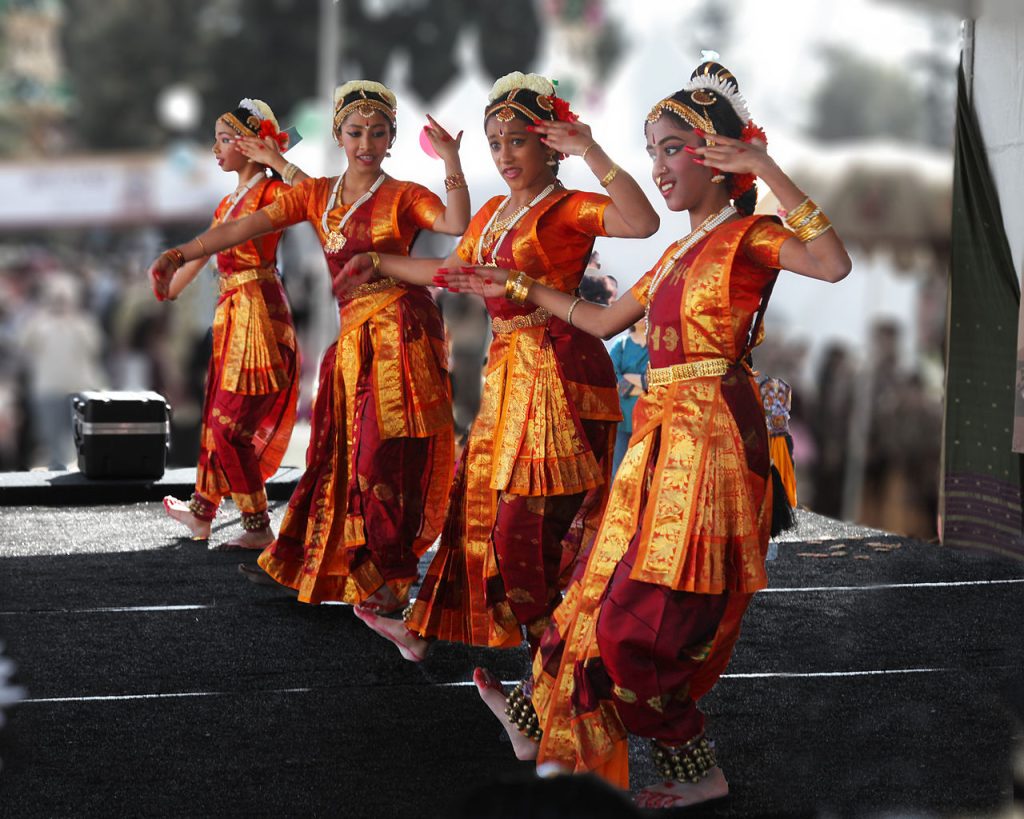
Beyond homes and temples, Divali in Trinidad comes alive at Divali Nagar, a week-long exposition held in Chaguanas. This event is both a cultural and educational showcase of Hindu philosophy, art, and heritage. Visitors are treated to performances of Indian classical and folk music, dance, dramatic plays, and spiritual discourses.
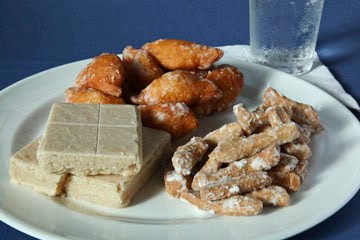
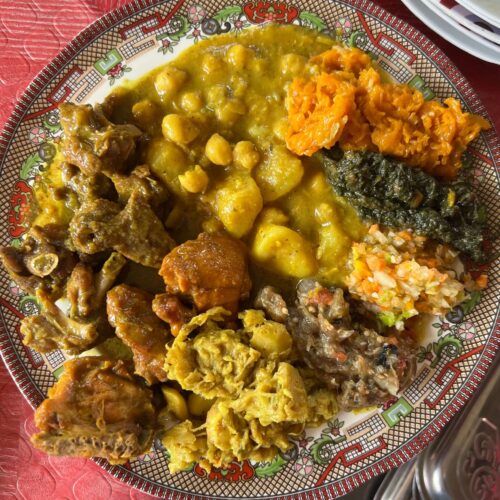
Vendors offer traditional clothing, jewelry, and handcrafted items, while food stalls serve a rich variety of authentic vegetarian Indian cuisine. Importantly, Divali Nagar is not only for Hindus—it is a national celebration, welcoming people of all faiths and backgrounds to experience and appreciate Hindu dharma, values, and aesthetics.
Divali as a National Holiday and Symbol of Unity
Recognized as an official public holiday, Divali is a reflection of Trinidad and Tobago’s inclusive spirit. On this night, the nation is illuminated not only by deyas but by a shared sense of reverence and community. Non-Hindus often light deyas, attend pujas, and participate in cultural events, embracing the festival’s deeper message of peace, goodwill, and divine grace.
One of the most touching aspects of Divali in Trinidad is the spirit of sharing and togetherness. Families open their homes to friends, neighbors, and even strangers, embodying the ideal that light, once shared, only grows stronger. It is this very spirit that makes Divali not only a Hindu celebration but a Trinbagonian treasure — a shining example of how faith can transcend boundaries and build bridges of unity.
A Light That Continues to Shine
As deyas are lit across the nation — in bustling towns and quiet villages alike — the spiritual meaning of Divali endures: a light within each soul that guides, protects, and uplifts. In Trinidad and Tobago, Divali is not only remembered; it is lived — through prayer, through culture, and through the collective hope for a brighter, kinder world.
FAQs: Understanding Divali in Trinidad
🪔 When is Divali celebrated in Trinidad?
Divali usually falls in October or November, based on the Hindu lunar calendar. The exact date varies each year.
🪔 Is Divali a public holiday in Trinidad and Tobago?
Yes. It is an official national holiday, observed widely by both Hindus and non-Hindus.
🪔 What is Divali Nagar?
A week-long cultural exposition held in Chaguanas, featuring music, dance, food, and educational exhibits focused on Hindu and Indian heritage.
🪔 Why are only vegetarian meals served during Divali?
As a sacred time of prayer and ritual purity, vegetarian food, considered sattvic (pure), is offered to the divine and shared in reverence.
🪔 Do non-Hindus celebrate Divali in Trinidad?
Yes. Many non-Hindus participate in cultural aspects of the festival and join in lighting deyas and enjoying the celebrations.
From Every Deya, a Prayer
Whether it is through sacred rituals, a shared meal, or the soft glow of a single flame, Divali in Trinidad reminds us all that even the smallest light can banish the deepest darkness — and that, in unity, faith, and love, we find our truest illumination.