Therapeutic intervention in the area of Physiotherapy has evolved from the traditional hands on to Electrotherapy, dry needling and Laser.
Physio’ is not just for sprains, but for recovery from injuries debilitating enough to prevent you from returning to your former way of independent life. Some Physios are trained in the management of dysfunction in respiratory system of children and adults as well. If you wish to get some insight on that, make sure to say so in the comments!
Let me introduce you to some of the interventions you may be exposed to if your physician prescribes physiotherapy for you:-
 Exercise - It can also help to reduce your risk of injury or illness in the future.
- Manual therapy, including massage - a hands-on approach primarily used occupational therapists, and massage therapists, that involves skilled movements and manipulations of soft tissues and joints to address musculoskeletal pain and improve function.
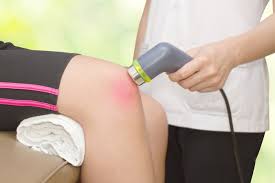
- Ultrasound therapy - Therapeutic ultrasound therapy, a non-invasive physical therapy technique, uses high-frequency sound waves to penetrate soft tissues, generating heat and promoting blood flow, which can help relieve pain, reduce inflammation, and speed up healing.
- Phonophoresis - In physiotherapy, phonophoresis uses ultrasound to enhance the absorption of topical medications into targeted areas, aiding in pain and inflammation management for conditions like tendonitis, bursitis, and strains.
- Cryotherapy (cold therapy) - Cryotherapy is the practice of exposing your body to very cold temperatures, such as an ice bath, a cold shower, or a a simple ice pack.
- Thermotherapy (heat therapy) - Thermotherapy (heat therapy) and cryotherapy (cold therapy) are both used to manage pain and inflammation, but they work by opposing mechanisms: thermotherapy increases blood flow and tissue temperature, while cryotherapy decreases them.
- Dry needling - Dry needling is a technique used by trained physical therapists is employed to treat musculoskeletal pain and movement impairments by inserting thin, solid needles into specific areas of the body meridians, particularly trigger points, to stimulate muscle tissue and promote relaxation and pain relief.
- Myofascial release - Myofascial release (MFR) is a manual therapy technique that focuses on releasing tension and restoring movement in the connective tissue that surrounds muscles, organs, and nerves, by applying gentle, sustained pressure to identify and release trigger points.
- Low-level laser therapy (LLLT) - Low-level laser therapy (LLLT), low-intensity light, typically red or near-infrared, to stimulate healing, reduce inflammation, and relieve pain.
- Magnetic field therapy - Despite the popularity of magnetic bracelets, science has largely disproven the effectiveness of such magnets in treating chronic pain, inflammation, disease, and general health deficiencies.
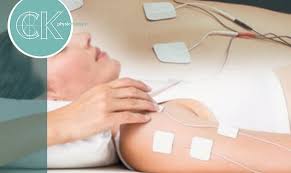
- Transcutaneous electrical nerve stimulation (TENS) - TENS (transcutaneous electrical nerve stimulation) is a popular treatment that gives temporary pain relief through the stimulated relief of endogenous opiates. A TENS machine passes a weak electrical current to your nerves through the skin which can help ease pain.
- Iontophoresis - Iontophoresis is a type of electrical stimulation used in physical therapy. A negatively- or ‘positively charged’ current is applied to skin treated with a medicated solution with the same polarity. The current and the solution repel each other, pushing the medication deep into tissues.
- Mechanical traction - Mechanical traction in physical therapy uses a machine to apply a controlled, gentle pulling force to the spine to increase space within the spinal column and reduce pressure on nerves and discs, often used for conditions like low back pain, herniated discs, and sciatica.
- Kinesiology taping - K-taping is a therapeutic adjunct which uses thin, elastic tape purported to enhance lymphatic flow and lightly support muscles and joints, potentially reducing pain, swelling, and inflammation while allowing for full range of motion.
The next Spotlight will focus on one of these areas of treatment for which I often get questions…Heat or Ice?
In the meantime, Keep Stepping!