
Theories of the mind and its function are numerous. Some psychologists argue that only the "higher" intellectual functions constitute the mind, particularly reason and memory. In this view, the emotions—love, hate, fear, joy—are more primitive or subjective in nature and should be seen as different from the mind as such. Others argue that various rational and emotional states cannot be so separated, that they are of the same nature and origin, and should therefore be considered all parts of what we call the mind.
In popular usage, the mind is frequently synonymous with thought: the private conversation we carry on "inside our heads." Thus, we "make up our minds," "change our minds", or are "of two minds" about something. One of the key attributes of the mind in this sense is that it is a private sphere to which only the owner has access. No one else can "know our mind." They can only interpret what we consciously or unconsciously communicate.
Applications of meditation are now common in the treatment of stress, pain, and a range of chronic diseases in both medicine and psychiatry, and some approaches are currently the subject of clinical trials and research studies. At the same time, the power of our non-invasive technologies have made it possible to investigate the nature of cognition and emotion in the brain as never before, and to begin to explore the interfaces between mind, brain, and body, and the implications of particular forms of meditative practices for modulating and regulating biological pathways to restore or enhance homeostatic processes and perhaps extend the reach of both mind and body in ways that might potentially promote rehabilitation and healing as well as greater overall health and well-being.
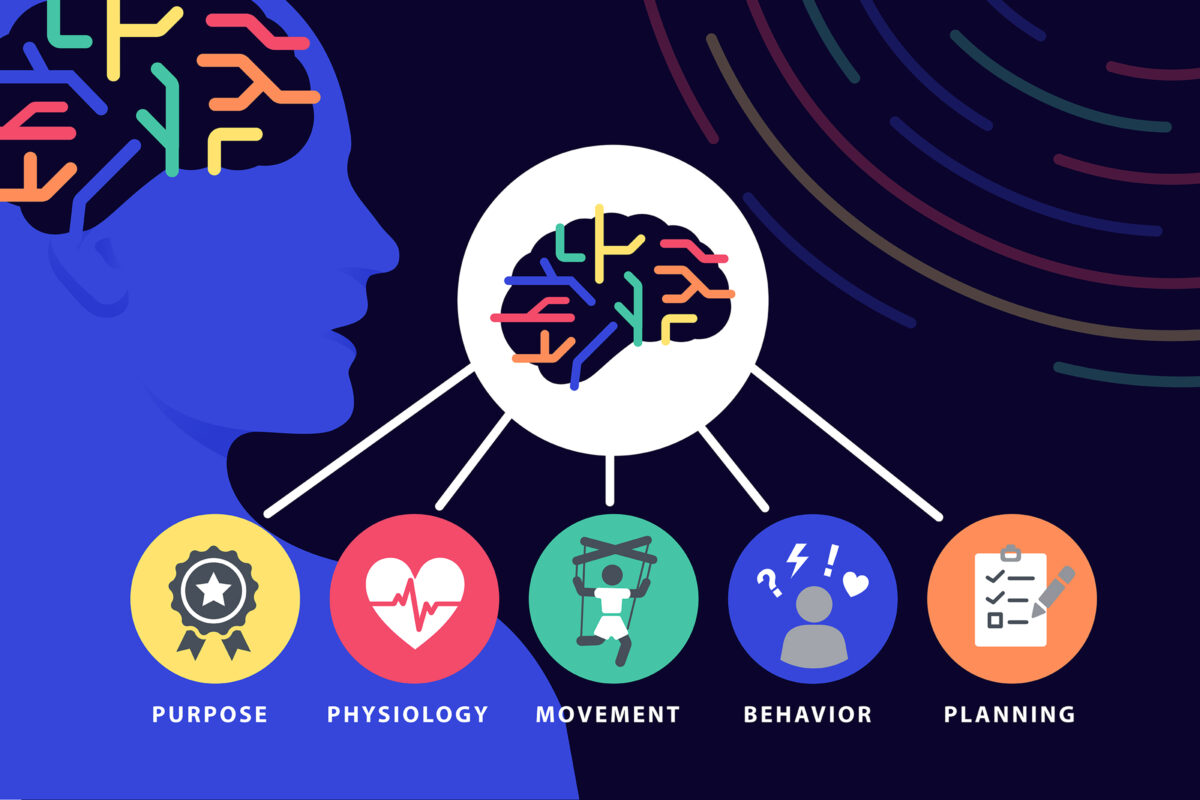
Pertinent studies are showing that meditation can result in stable brain patterns and changes over both short and long-term intervals that have not been seen before in human beings and that suggest the potential for the systematic driving of positive neuroplastic changes via such intentional practices cultivated over time. These investigations may offer opportunities for understanding the basic unifying mechanisms of the brain, mind and body that underlie awareness and our capacity for effective adaptation to stressful and uncertain conditions.
Mind and Life Institute XIII is the latest in a series of dialogues between scientists, the Dalai Lama, and other Buddhist contemplatives on areas of mutual interest at the intersection of Western empirical science and the contemplative traditions and their associated methodologies, psychologies, and philosophies. Prior to 2003, all these meetings had been held in private; however, books describing them have been published and are widely available.
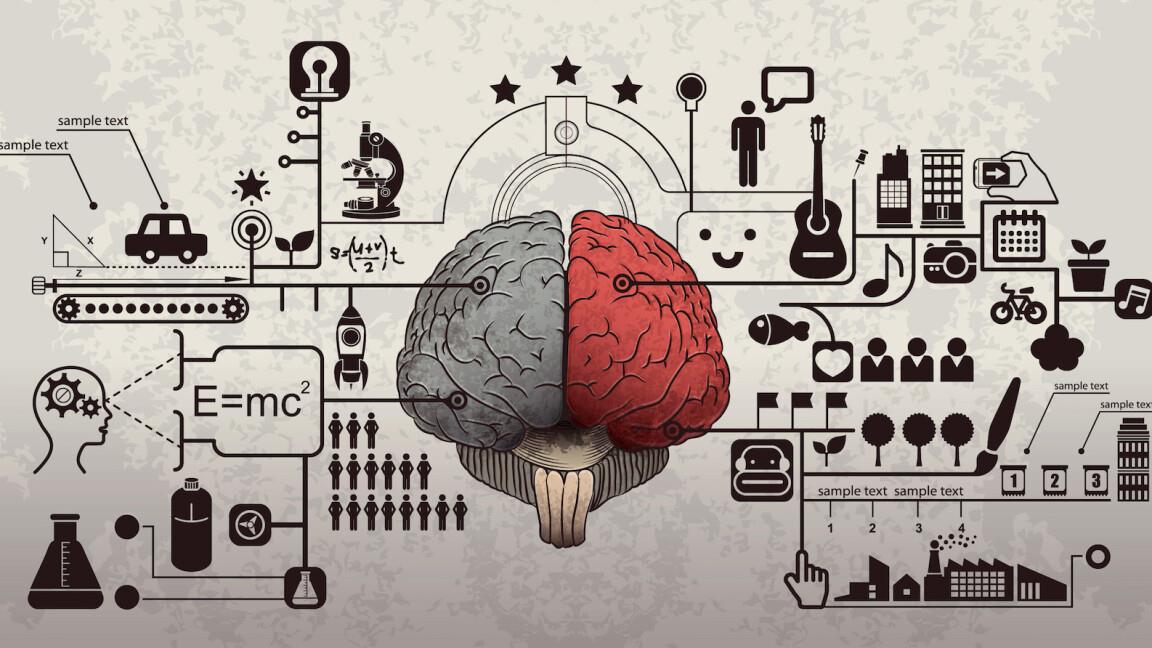
So often we all tend to ignore those which we cannot see or touch. Whenever we do so, we run the risk of depriving ourselves of the use of indicators that are telling us to go in a particular direction, or to consider a particular option or set of options, or to make a particular type of choice. Some teachers and students refer to this as “listening to that still small voice”. One voice that talks to me almost every day is the voice of Max Ehrmann through this poem, written in 1927.
Read the poem below:
The Desiderata
Go placidly amid the noise and the haste and remember what peace there may be in silence. As far as possible without surrender, be on good terms with all persons. Speak your truth quietly and clearly; and listen to others, even to the dull and the ignorant, they, too have their story. Avoid loud and aggressive persons; they are vexations to the spirit.
If you compare yourself with others, you may become vain or bitter; for always there will be greater and lesser persons than yourself. Enjoy your achievements as well as your plans. Keep interested in your own career, however humble it is a real possession in the changing fortunes of time.
Exercise caution in your business affairs, for the world is full of trickery. But let not this blind you to what virtue there is; many persons strive for high ideals, and everywhere life is full of heroism. Be yourself. Especially do not feign affection. Neither be cynical about love; for in the face of all aridity and disenchantment it is as perennial as the grass. Take kindly the counsel of the years, gracefully surrendering the things of youth.
Nurture strength of spirit to shield you in sudden misfortune. But do not distress yourself with dark imaginings. Many fears are born of fatigue and loneliness. Beyond a wholesome discipline, be gentle with yourself. You are a child of the universe, no less than the trees and the stars; you have a right to be here. And whether or not it is clear to you, no doubt the universe is unfolding as it should.
Therefore, be at peace with God, whatever you conceive Him to be. And whatever your labors and aspirations in the noisy confusion of life, keep peace in your soul. With all its sham, drudgery and broken dreams; it is still a beautiful world. Be cheerful.
Strive to be happy.
--- Max Ehrmann, 1927