Whisper it, No, Shout it. SUICIDE.
There’s a Stigma surrounding this word. A sense of fear as if saying the word was a dangerous thing. In fact, long ago, people who attempted suicide were jailed or worse.
This prevents the person with suicide ideation from getting help, from getting anyone around him or her, in her own family and circle, from daring to have a compassionate conversation with her or him when they notice signs of depression and distress. Only after a fatal suicide attempt do our tongues begin to wag– who saw it coming but ignored it. Who really saw the signs but said nothing. And then we go silent again. And silently, we became one of the top hundred statistics in the suicide figures of the world.
In fatal suicide attempts, Trinidad and Tobago is 92nd of 182 countries. Among 100, 000 of us Trinis, 22.2 % men and 4.6 % women have fatal suicide attempts, according to the World Health Organisation (WHO) report of 2021. Guyana is 2nd and Suriname 6th. And that is likely why the three countries were selected for this Suicide Prevention intervention: Guyana, Suriname, and Trinidad and Tobago.
Three Rotary Clubs in the United States, of Lorain, Ohio; Elyria and of Oberlin, funded this Suicide prevention Project, along with the Rotary Club of Central Port of Spain and Mindwise. They funded the training by the QPR Institute for selected Rotarians and Rotaractors in these three countries, to become QPR Suicide Prevention Gatekeeper Instructors. The QPR Institute was founded by Dr. Sanddal in 2003, supported by the Spokane Mental Health Centre and the American Association of Suicidology.
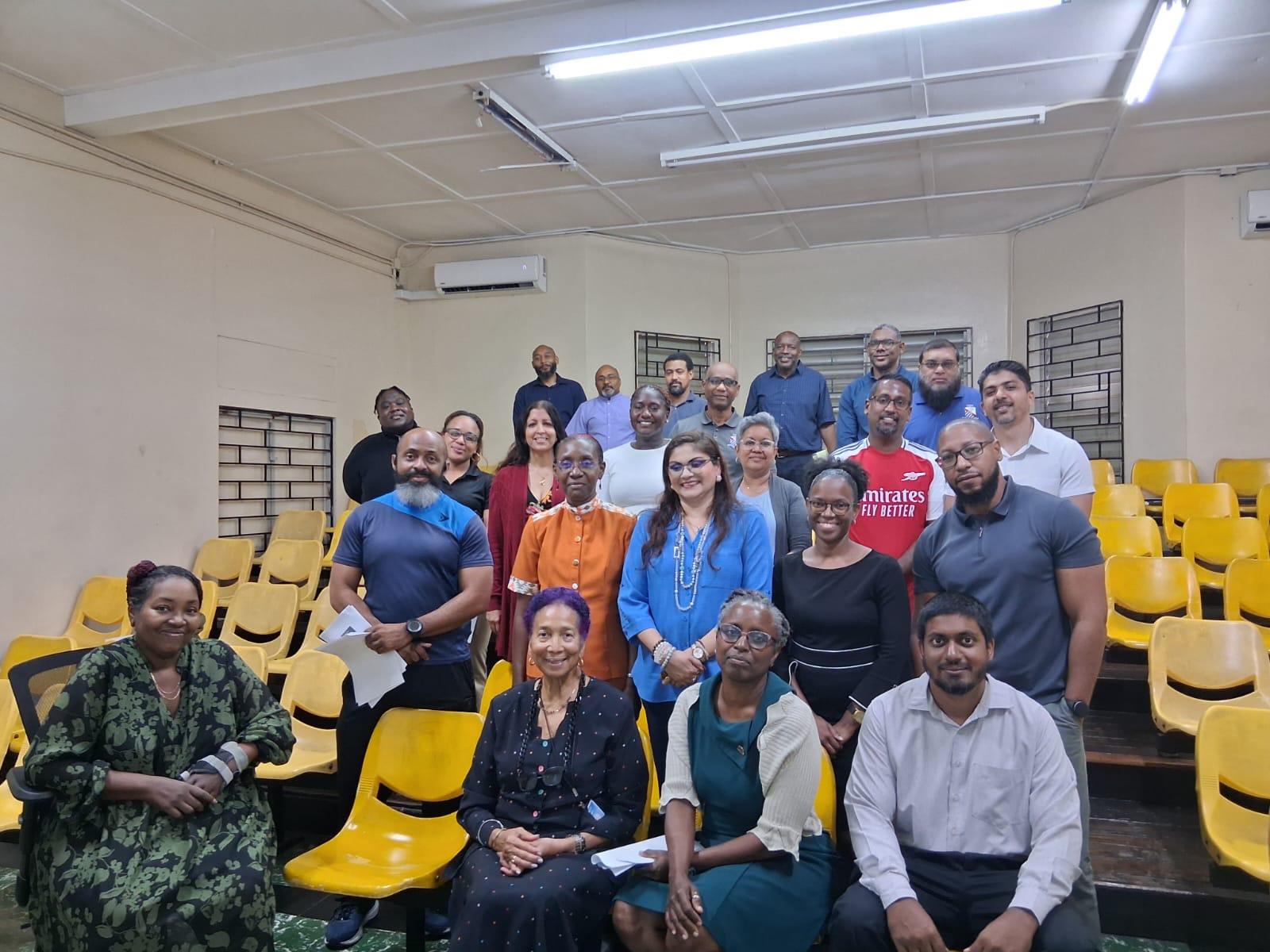
I, Ceronne Prevatt, am one of the trained QPR Suicide Prevention Gatekeeper Instructors, and I have instructed four groups, thus far. I will share a bit of my experience teaching educators about suicide. The most recent were to secondary school teachers when students are preparing and taking examinations, so the teachers can participate in teacher development days. The aim is for participants to become Gatekeepers.
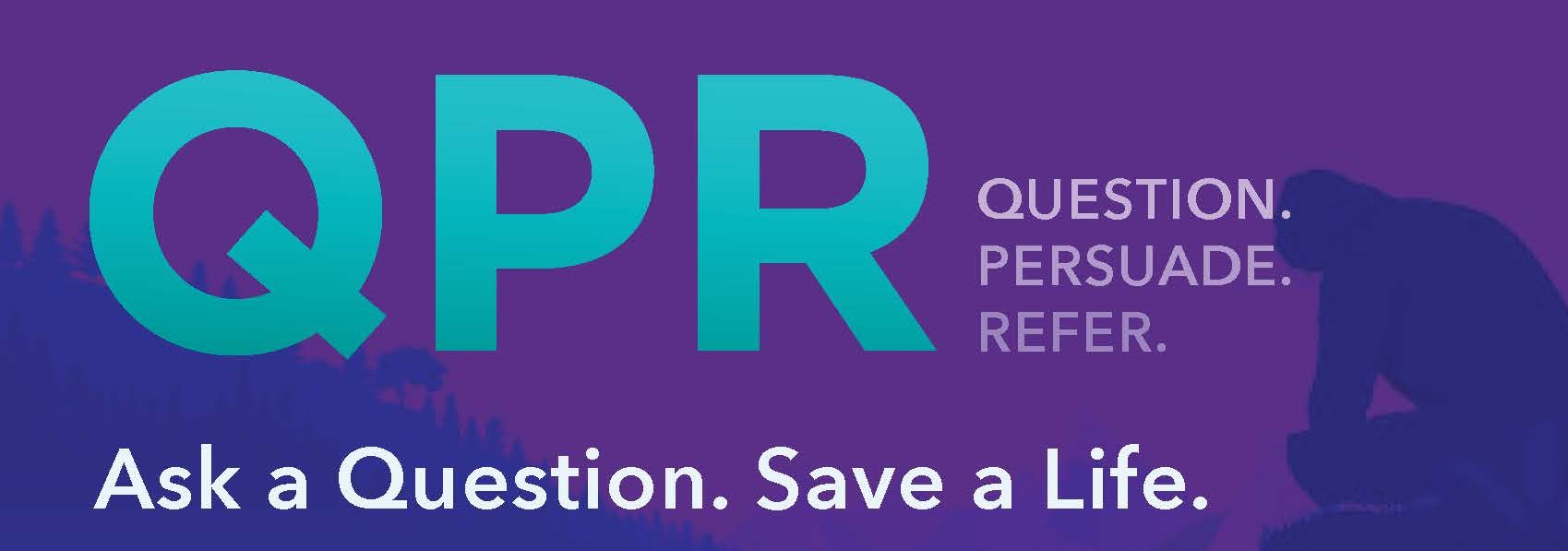
According to the American Surgeon General’s National Strategy for Suicide Prevention (2001), a gatekeeper is someone in a position to recognise a crisis and the warning signs that someone may be contemplating suicide. Our Mission is to save lives and reduce suicidal behaviours by providing innovative, practical and proven suicide prevention training. We believe that quality education empowers all people, regardless of their background, to make a positive difference in the life of someone they know. QPR stands for Question, Persuade, and Refer- the three simple steps anyone can learn to help save a life from suicide.
QPR can be learned in our Gatekeeper course in as little as one hour, but I usually extend this by a few minutes for conversation with participants about the workshop and their important roles as Gatekeepers, from now on.
As they come into the staff room or library, each writes his or her name, email and telephone number: this is so we can send them their Certificate of Course Completion. The tables are named "Q", "P" and "R" to facilitate constant interaction and sharing during the hour.
As they come into the staff room or library, each writes his or her name, email and telephone number: this is so we can send them their Certificate of Course Completion. The tables are named "Q", "P" and "R" to facilitate constant interaction and sharing during the hour.
I begin with talking about the stigma around suicide and how best to refer to it. We practised using ‘suicide attempts’ and designated them as fatal or non-fatal. We discussed that most of us have some suicidal ideation (thoughts) in our suicide-centered lived experience, whether as a survivor, having lost a loved one to a fatal suicide attempt or providing support. We shared what gives you pleasure and a sense of peace, and spoke about maintaining our own mental health, with quality sleep and hanging out. This was followed by an interactive quiz about what was myth and what was fact among the many things people like us believe, but which might discourage us from bringing hope through positive action. We practised becoming aware of the clues, signs and statements that we would no longer ignore, but take each seriously, whether they be direct and verbal or indirect, behavioural or situational.
We practised the first part of QPR, the Asking the "QUESTION", in pairs, directly or indirectly, regarding whether the person was contemplating a suicide attempt. The participants were reminded that courage was not the absence of fear but the conquest of fear as a Gatekeeper.
The P part, "PERSUADE", brought out the creativity and the compassion of our participants as, in pairs, they practised persuading the other to stay alive. They developed their communication strategies, which conveyed compassion, empathy and support and saw the value of a multi-systemic approach and of reducing access to lethal means.
In the third part of QPR, we considered all the mental health and suicide prevention resources we have in Trinidad and Tobago and that most of us are not aware of. It was important to follow through and "REFER" your friend, neighbour, family or other to the many hotlines, services and resources available in T&T that would bring relief. The best action was to take the person with you; the next best was to get a commitment to accept help and make arrangements to do so; if not, to give referral information and get a promise not to die by suicide.
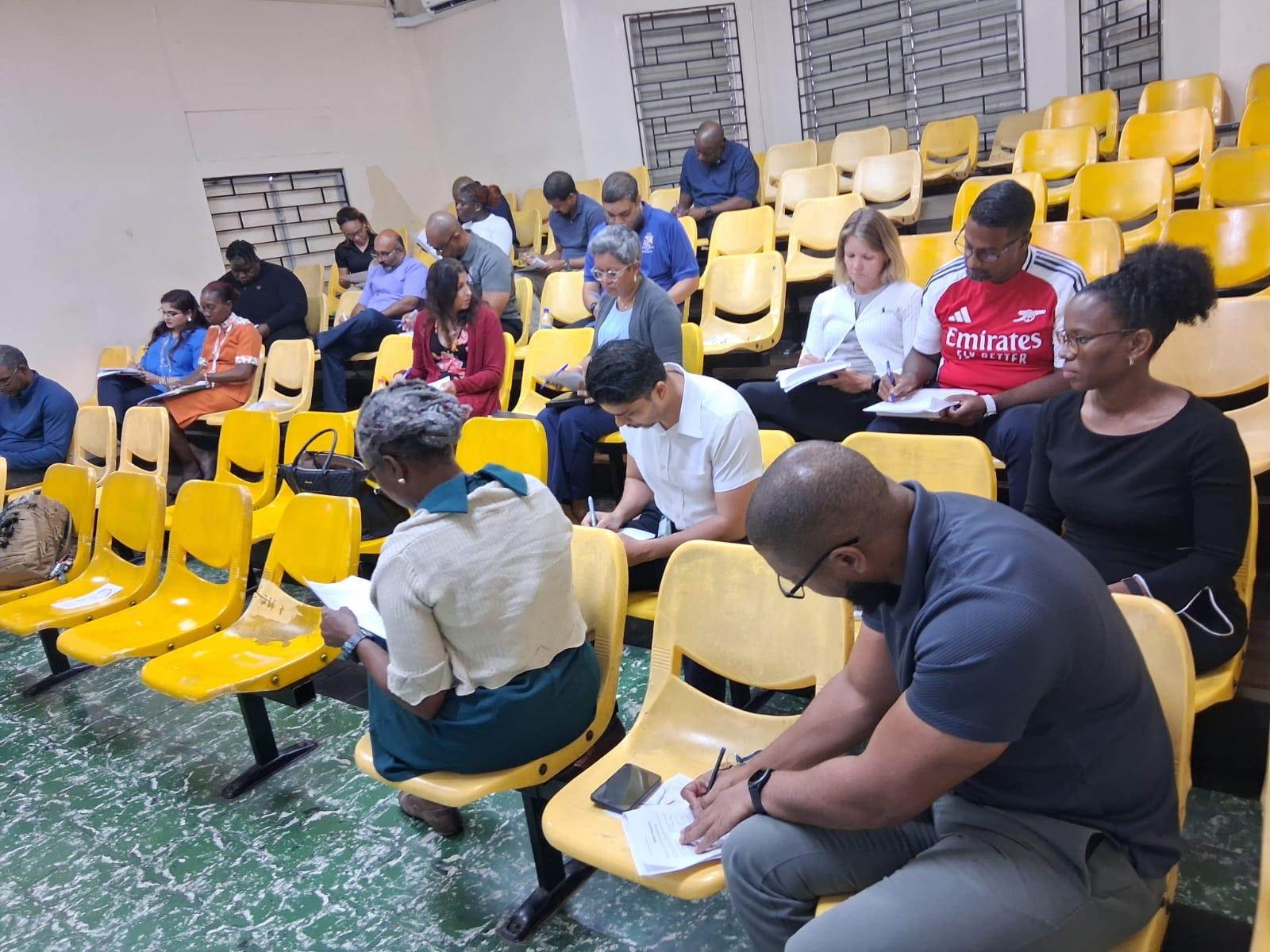
To bring everything together, we did role plays in pairs using a choice of two prompts to PRACTISE the QPR way. This was a very moving exercise, and we followed it by two volunteers from different tables doing a role play for us all to see and learn from. Our workshop ended with each completing Evaluation forms, and some remaining to discuss any issues they wished. Participants left with a feeling of anticipation as Gatekeepers now have a mission to prevent suicide attempts.