
Advances in medical science have reshaped our understanding of men's health. While physical fitness remains an important component of wellness, research increasingly shows that long-term health is influenced by a combination of preventive care, mental well-being, proper nutrition, regular exercise, and adequate sleep. Together, these factors can significantly reduce disease risk, improve quality of life, and promote longevity.
The Value of Preventive Healthcare
Many of the most common health conditions affecting men, including cardiovascular disease, type 2 diabetes, certain cancers, and chronic respiratory illnesses, develop gradually and may not produce symptoms until they have progressed.
Traditionally, men avoid doctors’ visits until it becomes crucial. However, routine medical checkups and health screenings play a vital role in detecting risk factors and early-stage disease. Blood pressure monitoring, cholesterol testing, blood glucose assessments, and age-appropriate cancer screenings can identify problems before they become serious.
Early detection often allows for more effective treatment, reducing the likelihood of complications such as heart attack, stroke, kidney disease, and other preventable health outcomes. Preventive visits also provide an opportunity to review family history, vaccination status, and lifestyle habits that may affect future health.

Mental Health and Overall Wellness
Mental health is a critical, yet often overlooked, aspect of men's health. Conditions such as anxiety, depression, and chronic stress can affect not only emotional well-being but also physical health.
Prolonged stress triggers the body's stress response, increasing levels of hormones such as cortisol and adrenaline. Over time, this can contribute to high blood pressure, weakened immune function, sleep disturbances, and an increased risk of cardiovascular disease.
Research also shows that untreated mental health conditions are associated with unhealthy behaviours, including physical inactivity, poor dietary choices, smoking, and excessive alcohol consumption. Seeking support through counselling, stress-management strategies, social connections, or medical treatment can improve both mental and physical health outcomes.

Protecting Heart Health
Cardiovascular disease remains the leading cause of death among men worldwide. Major risk factors include high blood pressure, elevated cholesterol, obesity, diabetes, smoking, physical inactivity, and chronic stress.
Fortunately, many cardiovascular events are preventable. Maintaining a healthy diet, exercising regularly, managing stress, and monitoring blood pressure and cholesterol levels can substantially lower risk. Because hypertension and high cholesterol often develop without noticeable symptoms, regular screenings are essential.

The Role of Exercise and Nutrition
Regular physical activity provides benefits far beyond weight control. Exercise strengthens the cardiovascular system, improves insulin sensitivity, builds muscle and bone strength, and helps reduce inflammation.
Health experts recommend at least 150 minutes of moderate-intensity aerobic activity or 75 minutes of vigorous activity each week, combined with muscle-strengthening exercises on two or more days.
Nutrition is equally important. Diets rich in fruits, vegetables, whole grains, lean proteins, and healthy fats support metabolic and cardiovascular health. In contrast, excessive consumption of ultra-processed foods, added sugars, and unhealthy fats has been linked to obesity, insulin resistance, and chronic disease.

Sleep: An Essential Health Requirement
Sleep is not simply a period of rest; it is a biological necessity. During sleep, the body carries out critical functions related to tissue repair, immune defence, memory processing, and hormone regulation.
Most adults require seven to nine hours of quality sleep each night. Chronic sleep deprivation has been associated with increased risks of obesity, hypertension, cardiovascular disease, depression, and impaired cognitive function.

A Proactive Approach to Longevity
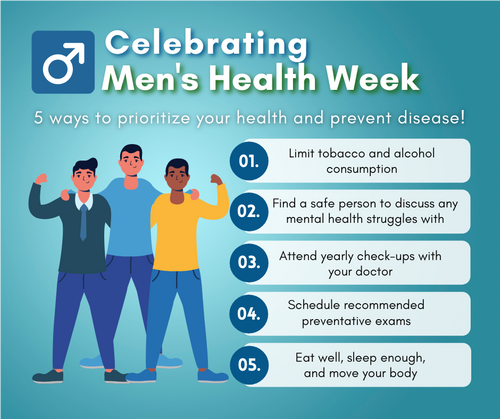
Modern healthcare increasingly emphasises prevention over treatment. Evidence shows that regular medical checkups, attention to mental health, healthy eating, physical activity, and sufficient sleep work together to reduce disease burden and improve life expectancy.
True strength in the modern age extends beyond physical capability. It includes the willingness to prioritise preventive care, address mental health concerns, and adopt healthy habits that support resilience, well-being, and a longer, healthier life.