
When people hear Environmental Month, they often think of trees, beaches, recycling bins, and community clean-up campaigns, and, rightly so, these are all important symbols of caring for our planet.
But there is another perspective worth considering: Taking care of the environment can also help us take care of our finances.

Being environmentally responsible is not only good for the planet; it can also be good for our wallets, our businesses, and our communities.
Too often, sustainability is viewed as an added expense. In reality, many green habits are simply smart financial habits in disguise. Simple actions such as turning off unused lights, fixing leaks, reducing paper use, and properly maintaining equipment can lower costs and reduce waste. Over time, these small changes can create meaningful savings for families, businesses, and organisations alike.
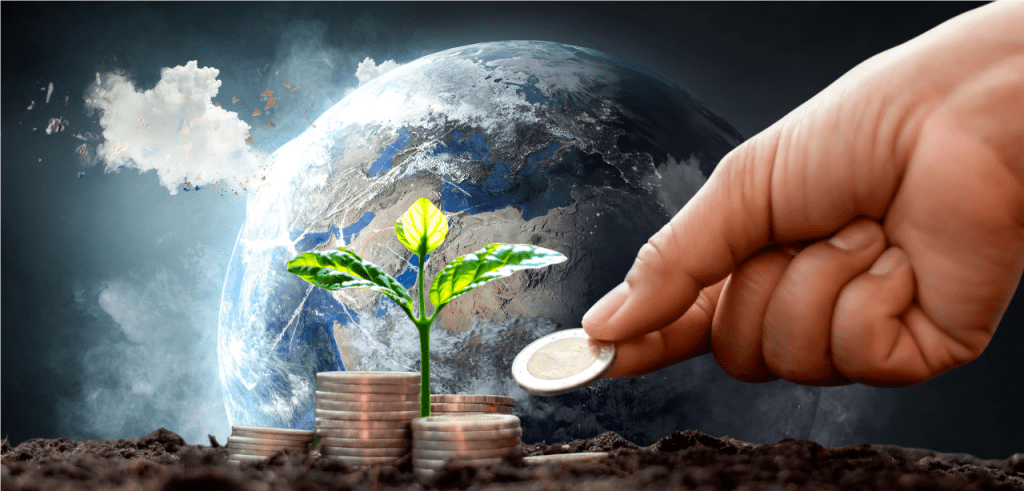
Waste is often more expensive than we realise. Every dollar lost through inefficiency is a dollar that could have been invested in growth, savings, or community impact.
For households, greener habits can free up funds for emergency savings, education, or debt reduction. For businesses, better resource management can improve profitability, lower operating costs, and build long-term resilience. Protecting the environment is not separate from financial responsibility - it is part of it.
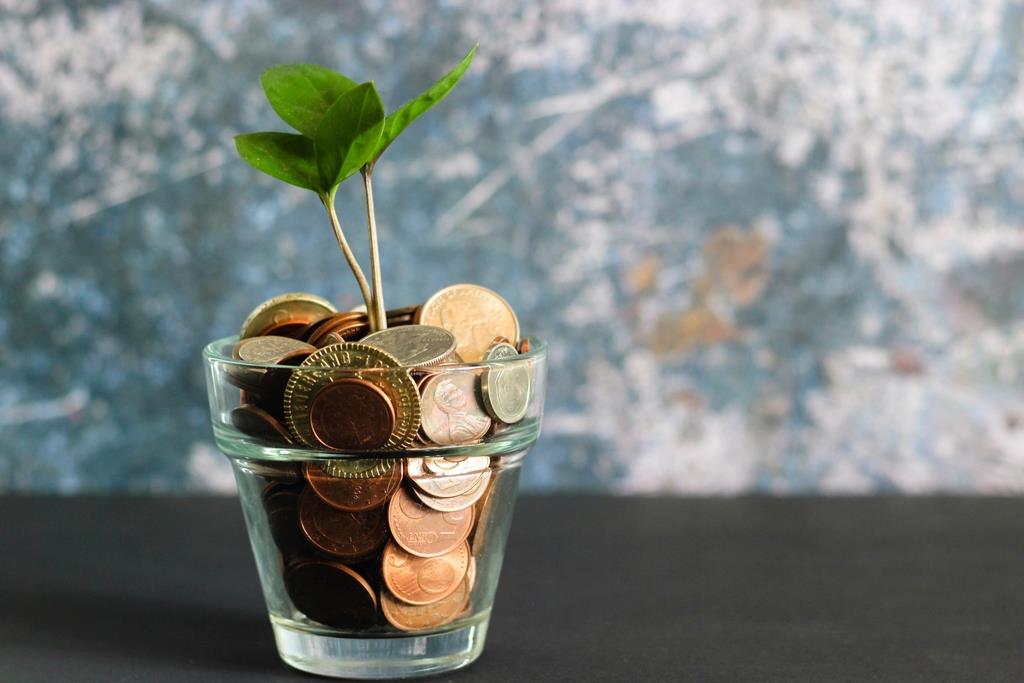
When we conserve, we save.
When we plan, we prosper.
When we serve, we strengthen our communities.
That sounds like a wise investment for us all.